Get Gas Line Capping
Gas line capping services help property owners safely disconnect or cap off gas lines during renovations, repairs, or property decommissioning by trusted local contractors.
Property owners considering gas line modifications or upgrades often explore capping services to ensure safety and compliance. Whether planning a renovation, preparing a property for sale, or simply eliminating unused gas lines, professional capping helps prevent leaks and potential hazards. Local contractors specializing in gas line capping provide the expertise needed to handle these tasks efficiently, giving property owners peace of mind during their planning process.
Comparing local service providers can help property owners find the right solution for their specific needs. Many choose to work with experienced contractors who understand the requirements of their area and can deliver reliable, professional results. Continuing to explore options ensures that property owners make informed decisions, connecting with the right professionals to complete gas line capping projects safely and effectively.
- Gas Line Capping - needed when a gas line is no longer in use or poses a safety concern.
- Abandoned Gas Line Sealing - required to securely close off unused gas lines to prevent leaks.
- Gas Line Removal - necessary when removing outdated or damaged gas infrastructure from a property.
- Emergency Gas Line Capping - performed promptly when a gas line needs to be temporarily or permanently sealed during urgent situations.
- Gas Line Repair and Closure - essential for fixing or sealing compromised gas lines to ensure safety and compliance.
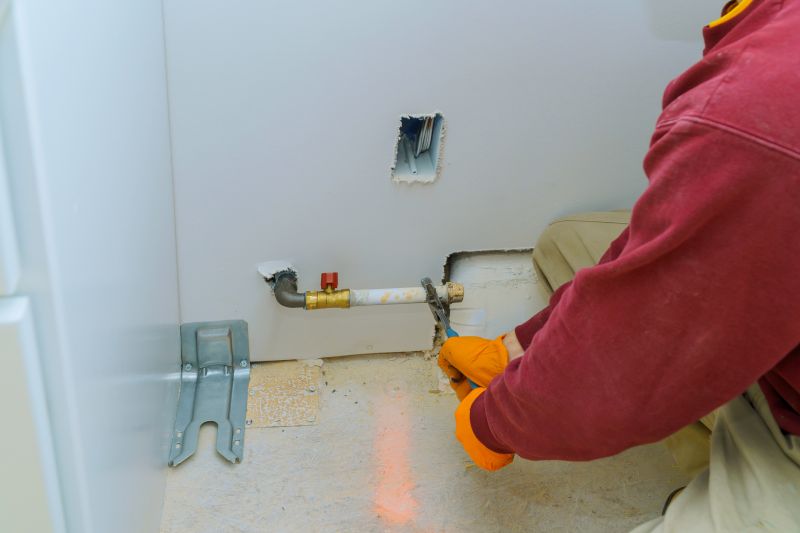
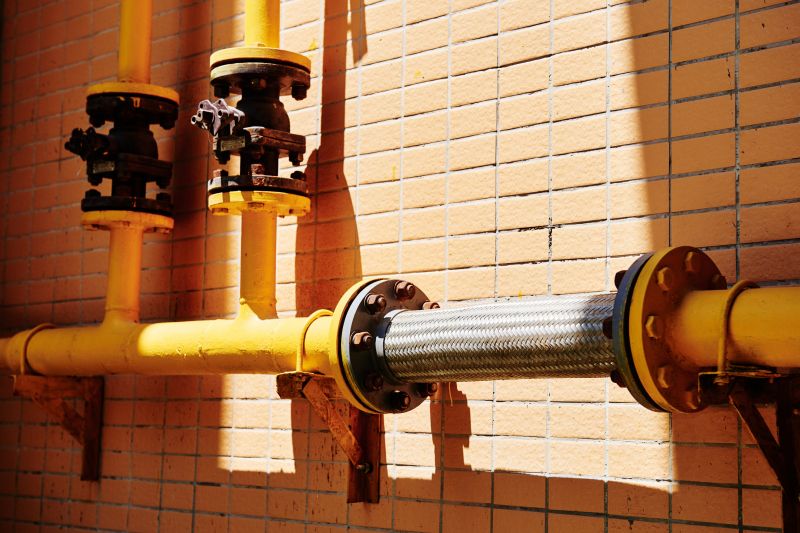
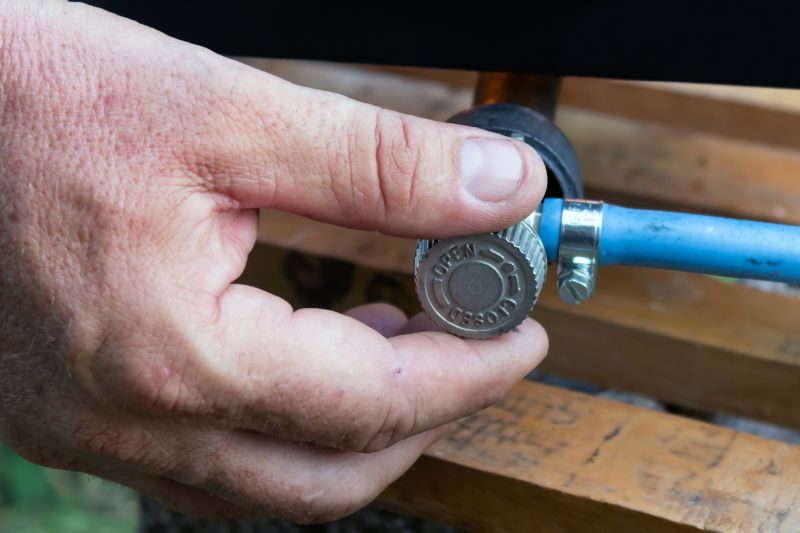
Gas line capping services involve safely sealing off an existing gas line to prevent leaks, reduce hazards, or prepare for property renovations. This process typically includes disconnecting the gas supply, inspecting the line for any issues, and installing a secure cap to block the flow of natural gas or propane. Proper capping ensures that the gas line remains sealed and inert, minimizing the risk of leaks or accidental gas release. Skilled service providers use specialized tools and techniques to guarantee a tight, durable seal that adheres to safety standards.
This service helps resolve common problems such as unused or abandoned gas lines, which can pose safety hazards if left open or improperly sealed. Gas line capping is also essential during home renovations, additions, or conversions where parts of the gas system are no longer needed. Additionally, property owners looking to sell or repurpose a building may opt for gas line capping to ensure the property meets safety codes and reduces potential liability. By properly capping unused lines, homeowners can prevent gas leaks, reduce fire risks, and ensure their property remains compliant with local safety regulations.
Properties that typically use gas line capping services include residential homes, especially those undergoing remodeling, additions, or conversions. It’s also common in commercial buildings, rental properties, and industrial facilities where gas lines are being decommissioned or rerouted. Homes with older gas infrastructure may require capping when upgrading or replacing appliances, or if gas service is being discontinued. Property owners who are planning to sell or lease their buildings might also seek gas line capping to ensure safety and compliance before new tenants move in.
Choosing to work with local contractors for gas line capping provides access to experienced professionals familiar with regional safety standards and building codes. These service providers can assess the specific needs of each property, identify any underlying issues, and perform the work efficiently and safely. Whether for a small residential project or a larger commercial job, connecting with local pros ensures that the gas line is properly sealed, reducing hazards and offering peace of mind. Property owners are encouraged to contact trusted service providers to explore their options and ensure the job is done correctly.
The overview below groups typical Gas Line Capping projects into broad ranges so you can see how smaller, mid-sized, and larger jobs often compare in your area.
In many markets, a large share of routine jobs stays in the lower and middle ranges, while only a smaller percentage of projects moves into the highest bands when the work is more complex or site conditions are harder than average.
Smaller Repairs - Typical costs for routine gas line capping jobs usually range from $250 to $600. Many simple projects fall within this middle range, depending on accessibility and local rates.
Moderate Projects - Medium-scale capping services, such as replacing or extending existing lines, often cost between $600 and $1,200. These projects are common and tend to involve more labor and materials.
Large or Complex Jobs - Larger, more involved projects can reach $1,200 to $3,000 or more, especially if additional permits or extensive work are required. Fewer projects fall into this high-cost bracket.
Full Line Replacement - Complete gas line capping or replacement services typically cost $3,000 to $5,000+, depending on the size of the property and complexity. These are less common and usually involve significant planning and effort.
Actual totals will depend on details like access to the work area, the scope of the project, and the materials selected, so use these as general starting points rather than exact figures.
Gas Line Installation - Professionals skilled in installing new gas lines often have experience with capping and disconnecting existing lines as part of their work.
Utility Line Abandonment - Contractors who disconnect and cap utility lines, including water and sewer, utilize similar planning and safety techniques as those used in gas line capping.
Underground Pipe Repair - Local service providers experienced in underground pipe repair work have the tools and expertise to safely cap and seal gas lines beneath the surface.
Home Renovation Plumbing - Plumbers involved in renovation projects frequently handle gas line modifications, including capping or rerouting lines as needed.
Emergency Gas Line Services - Emergency response teams that handle gas leaks or line damages rely on similar skills to quickly and safely cap compromised gas lines.
Gas Appliance Hookup and Removal - Technicians who connect or disconnect gas appliances are familiar with the procedures for safely capping gas lines during service or replacement.
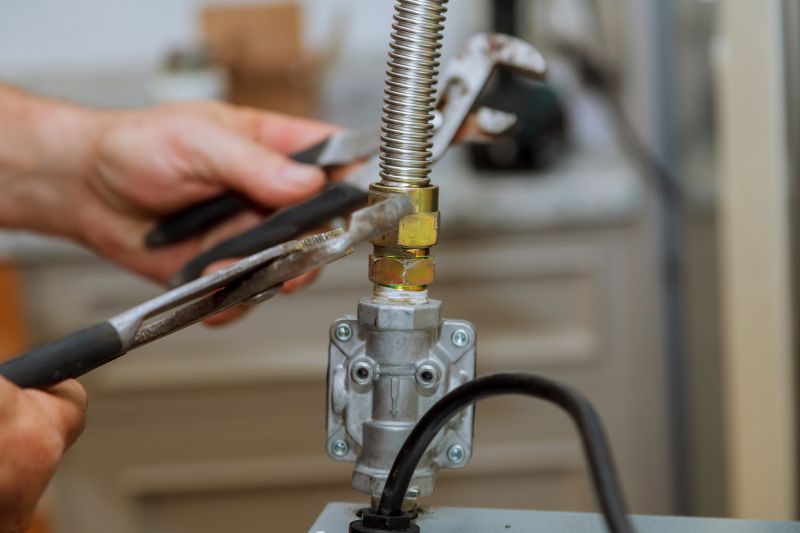
When evaluating service providers for gas line capping, it is important to consider their experience with similar projects. Homeowners should seek out local contractors who have a proven track record of successfully completing gas line capping jobs comparable in scope and complexity. Asking for details about past work can help determine whether a pro has the necessary hands-on experience to handle the specific requirements of the project, ensuring that the work is performed safely and effectively.
Clear, written expectations are essential when working with local contractors. Homeowners should request detailed estimates or written descriptions of the services included, so there is a mutual understanding of what the project entails. Well-defined expectations help prevent misunderstandings and ensure that the contractor’s approach aligns with the homeowner’s needs, providing peace of mind that the work will be completed to a satisfactory standard.
Reputable references and good communication are key factors in choosing a reliable service provider. Homeowners are encouraged to ask for references from previous clients or check online reviews to gauge a contractor’s reputation. Additionally, a contractor’s responsiveness and willingness to answer questions can indicate their professionalism and commitment to customer service. While the site introduces homeowners to local options, it is important to remember that the actual work is performed by qualified local contractors who can be trusted to handle the project with competence and clarity.
Property owners use Gas Line Capping services for practical projects around their homes and businesses. This guide focuses on everyday jobs and straightforward project options.
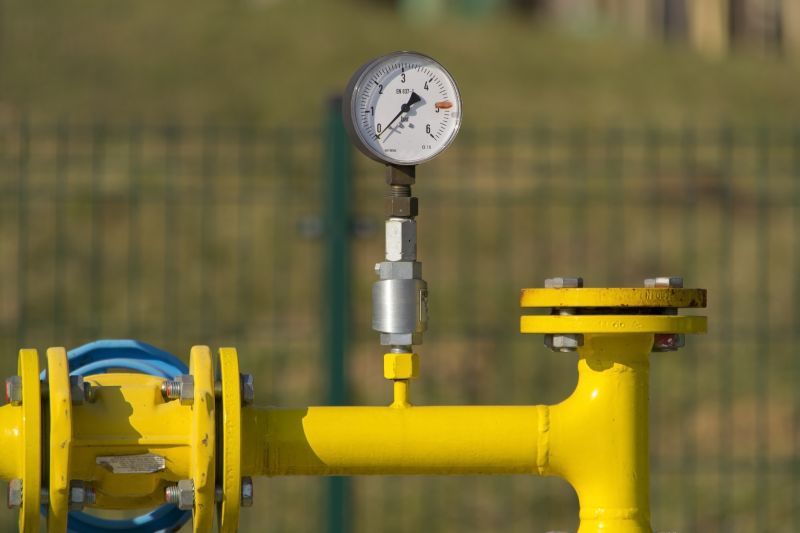
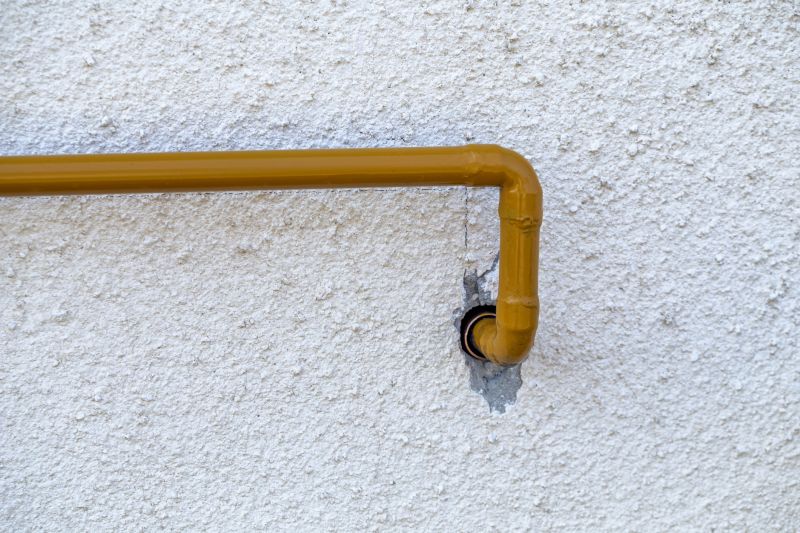
Gas line capping services are often needed when property owners are making renovations, preparing for new appliances, or ensuring safety after a gas line is no longer in use. Local contractors can handle these jobs efficiently, whether it's sealing off an unused gas line during a remodel or removing a gas connection that is no longer needed. This work helps prevent leaks and ensures the property remains safe and compliant with local regulations.
Homeowners and property managers may also seek gas line capping when upgrading appliances, installing new fixtures, or addressing issues with old or damaged lines. Reliable local service providers can assess the situation, determine the appropriate capping method, and complete the work with minimal disruption. Connecting with experienced local contractors can offer peace of mind that the job is done correctly and safely.
What is a gas line capping service? Gas line capping involves sealing off an unused or unsafe gas line to prevent leaks or hazards, typically performed by local contractors experienced in gas line work.
Why might I need gas line capping? Gas line capping is often necessary when removing appliances, renovating properties, or addressing safety concerns related to unused gas lines.
How do local service providers handle gas line capping? Professional contractors assess the gas line, ensure proper sealing, and adhere to safety standards to effectively cap the line and prevent leaks.
Is gas line capping a safe and reliable process? When performed by experienced local contractors, gas line capping is a safe method to securely close off gas lines and eliminate potential hazards.
What should I consider when choosing a gas line capping service? It's important to select local pros with expertise in gas line work, proper equipment, and a good reputation for safety and quality.
Property Renovations - When updating or remodeling a property, property owners can have gas lines safely capped to prepare for new installations or to remove outdated systems.
Emergency Repairs - If a gas line leak or damage occurs, local contractors can quickly cap the line to prevent hazards and secure the property.
Abandoning Unused Lines - For unused or decommissioned gas lines, property owners can have them capped to ensure safety and comply with regulations.
Preparing for Future Projects - Gas line capping services can support upcoming construction or landscaping projects that require temporary or permanent line closures.
If you are thinking about Gas Line Capping for a property, this guide is meant to help you understand the work, the typical project types, and how different options might fit your plans.
When you are ready, you can use the quote form on this page to share a few details about your project. From there, local pros can review the basics and respond with options that match what you have in mind.